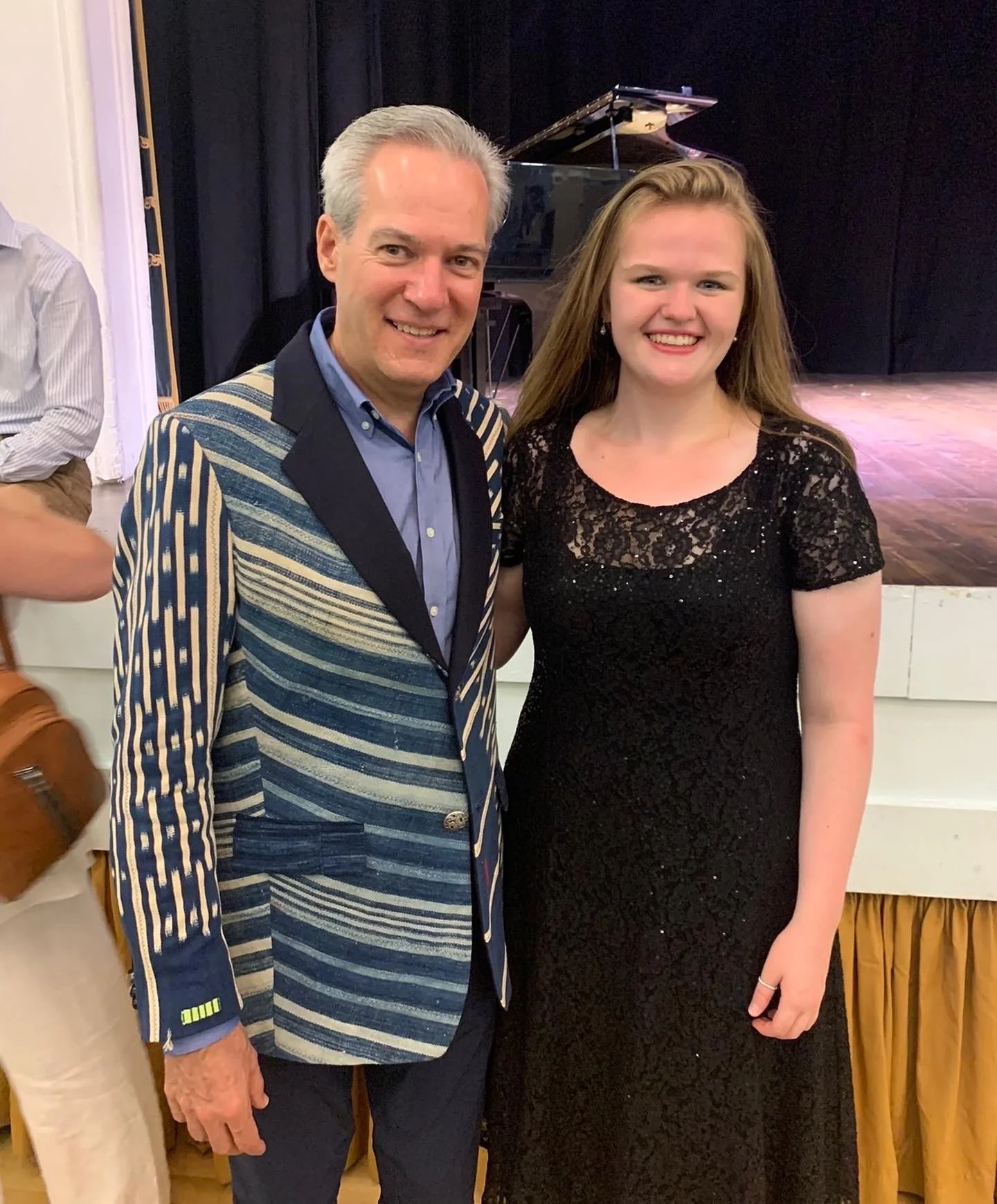
CLA Italy 2023 Perspectives: Hannah Comia

There really are no better words to describe Classic Lyric Arts: a family of artists who “meet you where you are” and grow with you at every step of the way.

I wish I could think of a different opening than this cheesy one, but there really are no better words to describe Classic Lyric Arts: a family of artists who “meet you where you are” and grow with you at every step of the way.

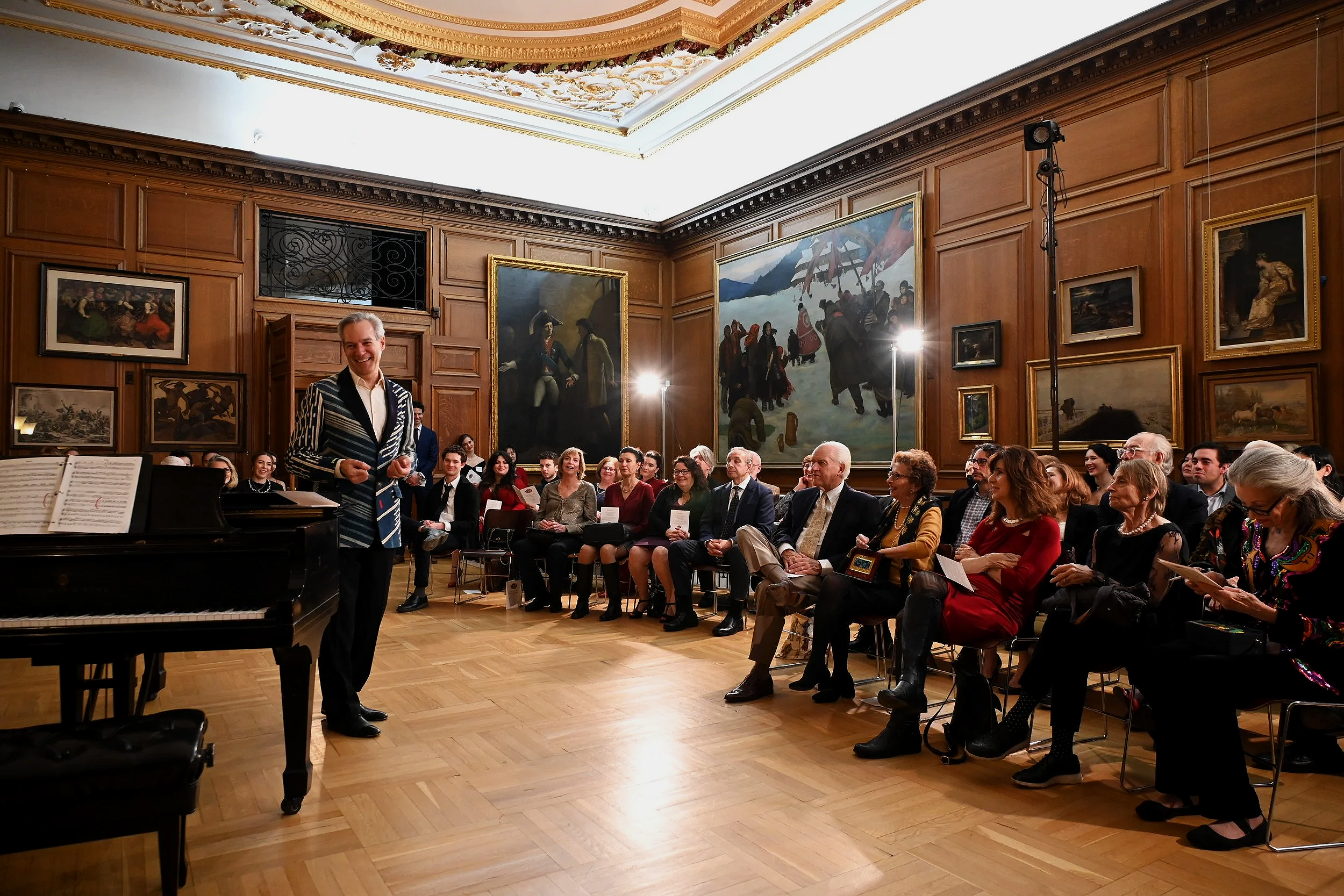
It was last summer, July 2022 at CLA Berkshires, that I first met Glenn Morton, John Viscardi, and the CLA community. I had such a special experience studying Mozart in the mountains that I knew I wanted to come back. This time it was to attend CLA Italy, the original program that started Classic Lyric Arts. 

Arriving in Bologna a couple days before the program started, I felt nervous, excited, and honestly, a bit scared as I didn't know what to expect. It wasn’t that I didn’t know anyone or that I wasn’t looking forward to working on this repertoire, but I was unsure if the next two-and-a-half weeks ahead of me would be anything like my time in the Berkshires. And now that the program has ended, I can tell you it was a totally different experience. 

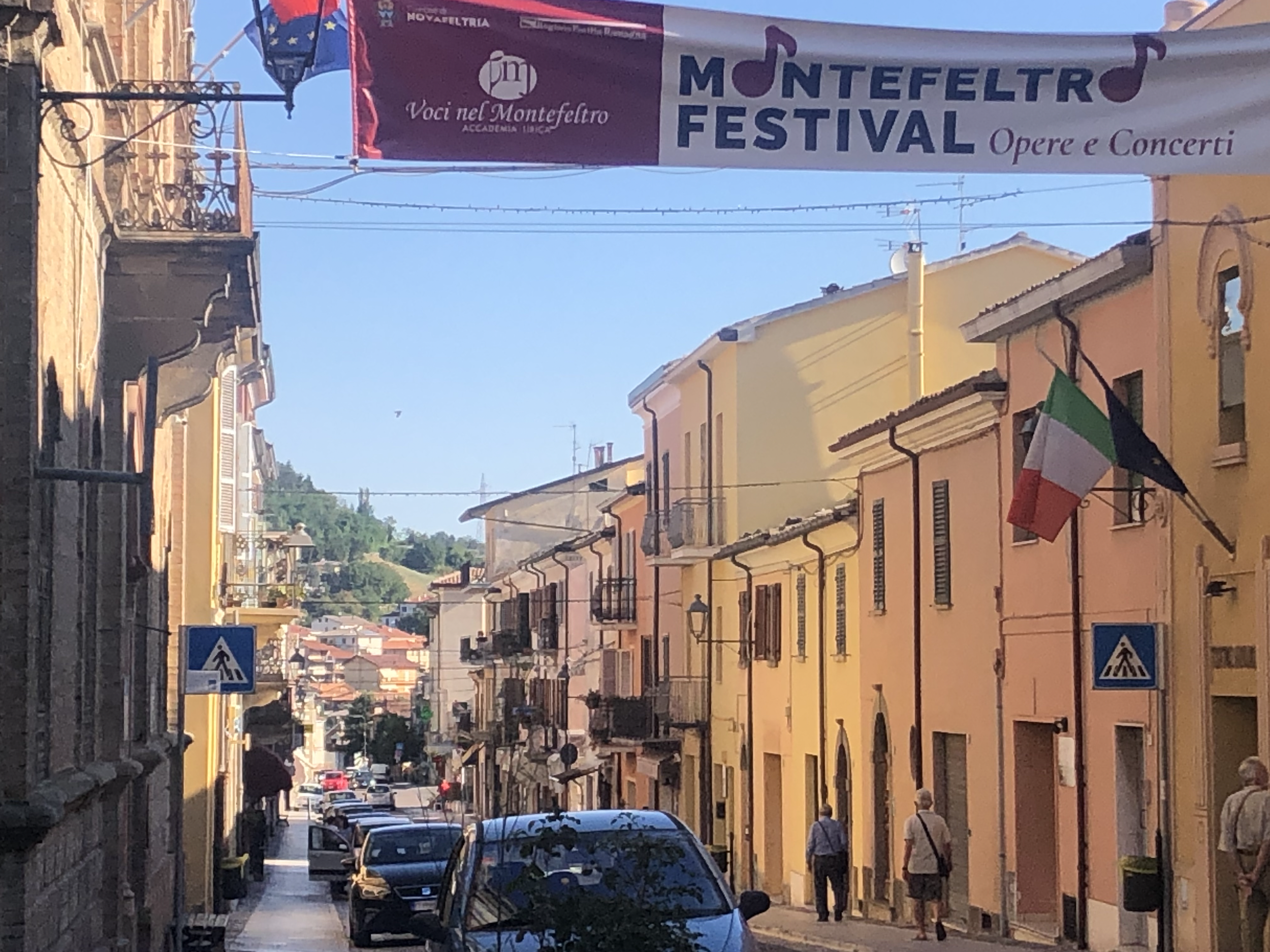
Being in another country- in the beautiful piccolo paese that is Novafeltria- is a unique experience in itself. I spoke no Italian when arriving. Now, I can speak much more than I would have ever expected (thank you to our Italian teacher Ilaria Cicconi, Co-Director Ubaldo Fabbri, and the patient people of Novafeltria!). I also ate more delicious pasta, pizza, and pastries (the Holy trinity) and drank more espresso than anyone ever should (no regrets here). 

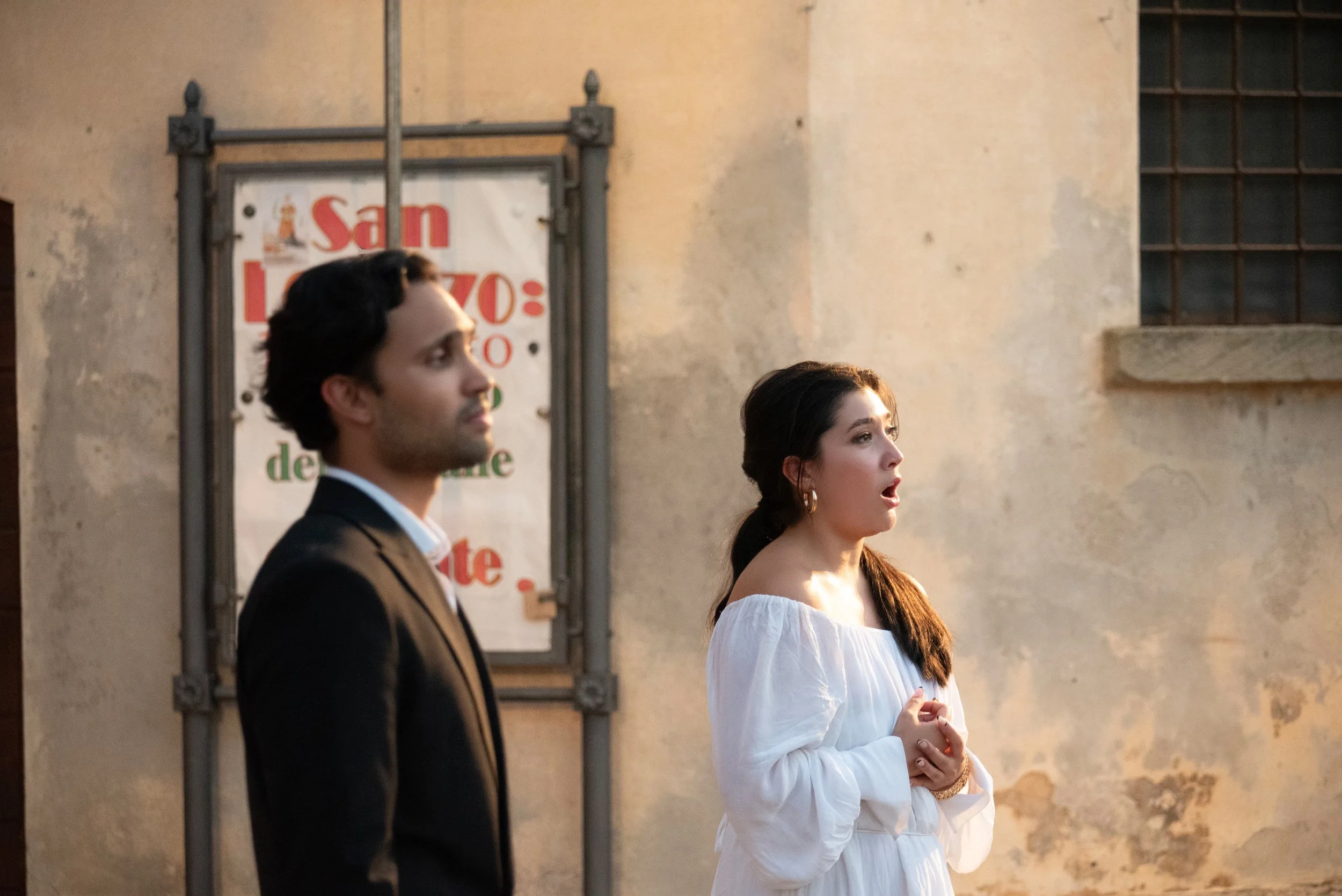
I got to perform in beautiful teatri in Sant’Agata, Macerata Feltria, and Novafeltria. I saw breathtaking mosaics in Ravenna and explored the hilly landscape in Montefeltria. Most importantly, I learned from some of the most passionate and brilliant faculty in this business alongside a wonderful group of emerging artists. It really is refreshing to be surrounded by people who care about making high-quality music, but who also want to help you grow and see you succeed in all facets of musicianship and life.

Going back to the fear that I had before starting CLA Italy, yes, CLA Berkshires and CLA Italy were two very different experiences. But this is a testament to the statement made at the beginning of every program- that they will meet you where you are. I was in a different place on my artistic journey last summer in the Berkshires than I was this summer in Novafeltria. And both experiences have helped me grow into not only a better informed and prepared musician taking beginning steps into the industry, but also into a human who loves this art form even more than before. 
CLA Berkshires 2023 Perspectives: Gabriel Shapiro

I left CLA having evolved as a pianist, as a musician, and as a person.

I had a good feeling about CLA before I played a single note. I’ve participated in several summer music programs as a singer but never before as a pianist. In fact, my audition for CLA was the first live piano audition of my life. Running through Puccini beforehand with the singer (whom I’d just met), I felt a great vibe. But, what struck me most was that she expressed concerns about her singing even though it was for my audition. This was, in fact, my first clue that as a collaborative pianist, my primary role would be to support the singer in terms of not only sound, timing, and breath, but also interpersonally. Given the substantial age difference between myself and most singers at young artist programs (not to mention a frequent gender difference), this would be a challenge I’d approach delicately.

When I walked into the audition room, Glenn immediately struck up a conversation with me about my unconventional résumé. This was definitely a good sign: a vocal program that valued diversity of experience rather than seeing it as a diversion from the narrowest path possible to the Met. More broadly, here was a program that recognized that everyone’s path as a musician is different, and that meeting the musician where they are rather than simply comparing their progress to some fictional ideal (or worse, to someone else’s actual path) is the most positive way to support musical growth – and in the long run, the most effective.

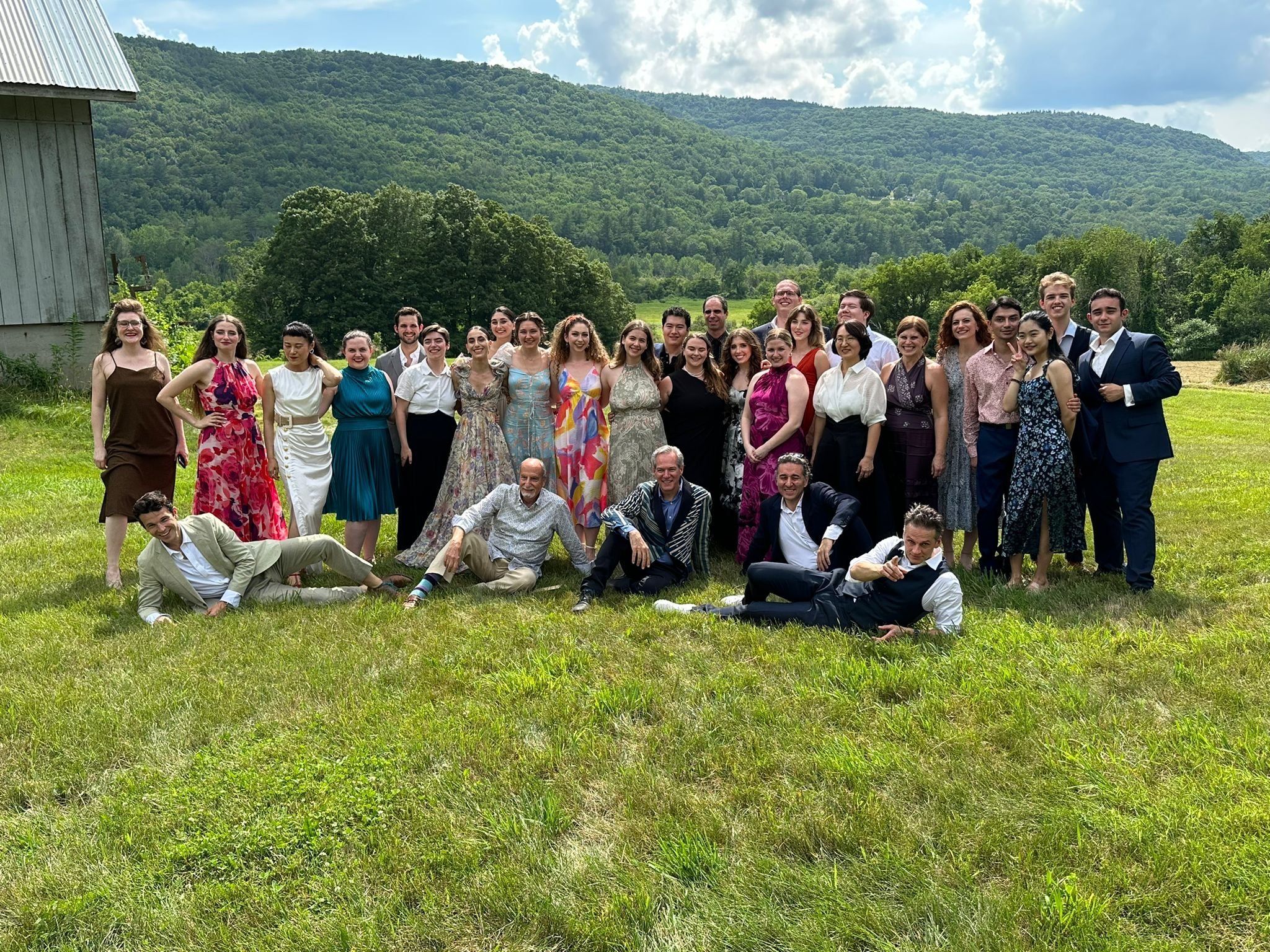
Once I got to the Berkshires, my hunch about CLA was more than confirmed. Thanks to positive leadership from the direction and participants alike, the program maintained an atmosphere free from competitiveness and artificial hierarchy, and the faculty and participants consistently put music ahead of ego. Even the food was substantially more appealing than at many other music programs I’ve attended.

My own progress as a collaborative pianist, both in terms of ability and comfort level, came more gradually, but I would leave CLA with my confidence substantially boosted in terms of my knowledge, technique, and judgment. Even as a vocal coach, I came in with limited experience, but the singers almost always seemed to feel more comfortable at the end of a coaching than at the beginning (not to mention sounding even better).

As often happens, the concerts were the icing on the cake. My parents live an hour away from Great Barrington, so they came to every show; several other guests accepted my invitation and joined us for the final concert. Whether this summer ends up being my only experience with CLA or the first of many, it was formative for me in a way that no other music program has been. I left CLA having evolved as a pianist, as a musician, and as a person.

CLA Faculty Perspectives: Ennio Brugnolo

L'anno scorso, 2021, dato che con il Covid 19 non si poteva viaggiare in Europa, Glenn Morton, direttore e fondatore del programma Classic Lyric Arts, decise di trasferire il programma italiano da Novafeltria a New Lebanon, New York. John Viscardi, recentemente nominato Executive Director della CLA e laureato dell’Accademia delle Arti vocali in Filadelfia dove io insegno italiano e dizione, mi propose di fare una intervista con Glenn via Zoom. Dopo l’intervista Glenn mi diede i dettagli del programma e così comincio’ la mia avventura con CLA. Nel primo programma ebbi l’opportunita’ di conoscere e lavorare con insegnanti di altissimo livello, come Stefano Sarzani, pianista e direttore d’orchestra; Raphael Fusco, pianista, compositore e maestro della pasta fatta in casa, Michael Sheetz, pianista e maestro di coro, Glenn Morton, pianista, insegnante e amante della lingua italiana.

Poi ci sono gli studenti... di diverse nazionalita’ ed eta’, guidati da una meta comune: raggiungere il piu’ alto livello possibile nel comunicare ed esprimere con la loro voce il testo e la musica del compositore e librettista, con nitore di pronuncia, senza gigionate e esagerazioni, ma con buon gusto e signorilita’. L’amore e la passione per l’opera, per comunicare con la voce i loro intimi sentimenti, porta questi studenti ad un livello da loro impensato ed incita gli insegnanti a domandare ancora di piu’.

Quest’ anno, con l’introduzione di un nuovo programma, CLA Berkshires, ho avuto l’opportunita’ di rispolverare i tre capolavori di Mozart-Da Ponte: Così fan tutte, Don Giovanni e Le nozze di figaro, insieme all’Idomeneo e La clemenza di Tito. Due settimane in questo ambiente familiare ma di intenso studio hanno favorito l’entusiasmo e il desiderio di imparare di piu’ e trovare gioia nello svolgimento e realizzazione del compito. Grazie Glenn e a tutti i miei colleghi, Stefano Sarzani, Daniel Isengart, ma sopratutto, grazie a voi, studenti cosi’ volenterosi e dedicati e pronti a dare una nuova vita a questa stupenda arte chiamata OPERA.

Last year, 2021, since traveling in Europe was not possible due to Covid-19, Glenn Morton, Founder and Artistic Director of Classic Lyric Arts, decided, with his collaborators, to move the Italian program from Novafeltria, Italy, to New Lebanon, New York. John Viscardi, recently named Executive Director of the program and a graduate of the Academy of Vocal Arts in Philadelphia, where I am the Italian instructor, contacted me and asked me to have an interview via zoom with Glenn. After the interview, Glenn gave me the details of the program, and so my adventure with CLA started. In the first year, I had the opportunity to meet and work with highly skilled and passionate teachers, including Stefano Sarzani, pianist and orchestra conductor; Raphael Fusco, pianist, composer and master pasta maker, Michael Sheetz, pianist and choir director, and Glenn Morton, pianist, educator and lover of the Italian language.

Then, there are the students…different nationalities, different ages, driven by a common goal: to reach the highest level possible to communicate and express with their voices the text and the music of the composer and the librettist, with clean pronunciation, without exaggeration but with taste and artistry. The love and the passion for opera, to communicate with their voices their most intimate feelings, takes these students to a much higher level of professionalism, and motivates the teachers to demand even more from them.

This year, with the introduction of a new program, CLA Berkshires, l had the opportunity to revisit the three of Mozart and Da Ponte’s masterpieces: Così fan tutte, Don Giovanni and Le nozze di Figaro, together with Idomeneo and La clemenza di Tito. Two weeks in this friendly environment of intense study, have encouraged and promoted the enthusiasm and desire to learn more and find joy in the process. Thanks to Glenn and all my colleagues, Stefano Sarzani, Daniel Isengart, but, most of all, thanks to you, dear students, who are so willing and full of desire and ready to give new life to this stupendous art form called OPERA.


CLA Community: La Canzone Perduta (The Lost Song) by Marshall Berland

alla ricerca di UNA canzone perduta

A PROUSTIAN MOMENT IN ITALIAN MUSIC....

Fully fifty years ago in 1971, another musical fanatic like myself gave me a cassette (REMEMBER THOSE?) of some rare opera arias. At the end there was a fragment of a little song -- with no notes on what it was, who wrote it or anything. (He was a vegan food nut who left for Virginia Beach to study at the Edgar Casey Institute-- the toast of the lunatic fringe at the time.) This little song --just a trifle-- stuck in my mind; it was incomplete--the last stanza was only half there, but there was enough to stick in my mind forever. I would sing it at the top of my lungs over the cancelling noise of my lawn tractor as I mowed. (I thought)

My Mistake:

Years later, my neighbor told me she loved to hear me sing as I was mowing the lawn. (My singing, even at best, is no pleasure) I was mortified to realize that I had been serenading the neighborhood.

Since my retirement in 1995, I have devoted myself to differing forms of serving the Muse of Music. But even with my total obsession, I never found the song -- Mia canzone perduta...

There are literally thousands of these little songs written for recitals through the centuries, when people would sing and play instruments as home entertainment. It was considered part of being civilized. Today I think the word 'civilized' would have to be explained to Millennials --now, entertainment has to have "battery included."

Fast forward to my involvement with Classic Lyric Arts and Artistic Director Glenn Morton, bringing young opera hopefuls to France and Italy for total immersion in the diction and language of music. I croaked out the tune to Glenn in my basso non troppo profundo, but despite his vast experience as a vocal coach, it was impossible for him to tell.

For the past decade or so, I've worked on fundraising with Glenn, finding ways to acquaint people with the exciting things CLA is accomplishing. A mutual acquaintance made a video in 2017 at one of the fundraising recitals in New York. I received my internet copy and as I listened avidly, the second soloist cleared his throat, and, Mirabile Dictu! launched into MY SONG! Mia canzone perduta. (Beautifully, I might add!)

It was Stefano Donaudy's O del mio amato ben, number 18 of the famous 36 song cycle of arie in the "Antique" style: Arie di Stile Antico with lyrics by his brother Alberto, who wrote virtually all his libretti.

Armed with this information, I retreated to YouTube and incredibly, discovered the actual identity of the scratchy record. It was a 1933 Nimbus recording of Milanese tenore di grazia Tito Schipa, who was regarded as one of the most popular tenors of his age--beginning in Chicago then from 1932 to 1935 at the Metropolitan Opera. His reputation was marred by his support of the fascisti after the 1935 Italian invasion of helpless Ethiopia. He returned to Italy from America in 1939 Here is the original recording I heard in 1971:

He looks a bit like one of Al Capone's henchmen and his light tenor grew huskier as his career went on, but his portamento and tender handling of lyrics is quite nice. He had his detractors, but the public loved him. Like his countryman Caruso, he knew how to lay on the prosciutto and they loved him.

A further search revealed that virtually all the most famous singers have recorded something from the collection. It was there right under my nose all the time; albeit Donaudy is not exactly a household word outside the performing community. Indeed, except for this cycle, he was forgotten soon after his time...a period dominated by contemporaries Verdi, Puccini and the Verismo composers.

Most composers are famous for major works like operas, but his was the exception to the rule, Although he wrote a number of operas performed during his lifetime, they have virtually disappeared.

But who was he?

He was born February 21, 1879 in Palermo, Sicily to an Italian mother and French father during a particularly affluent period associated with a number of wealthy Anglo-Sicilian families who settled in the salubrious climate of Palermo during this period. They built grand mansions and villas in the Art Nouveau style of the period which the Italians called La Stile Liberty after the London department store that championed the sinuous nature-inspired objets d'arts, furnishings and Japonaiserie of the period.

He would later visit these houses as a vocal coach to the residents, but his prodigal talents emerged very early in life. Although biographical information and scholarship about him remain slim, there is ample evidence that he was precocious. Vaghissima sembianza, one of the most popular songs, was written at the tender age of thirteen in 1892 as was his first opera, Folchetto.

There is a very interesting seventeen minute biography called Vaghissima sembianza that tells much about him by vocal coach Michael Recchuiti. It is obviously a labor of love, with arie sung by Elizabeth Blancke-Biggs and Recchuiti at the piano.

Here is a remastered Caruso singing the title song:

Donaudy is often compared with contemporaries Marcel Proust and Venezuelan-born French composer Reynaldo Hahn born in 1874. (We share birthdays -- August 9). Hahn and Donaudy both wrote more major works, but they especially share prolific output of tender, expressive songs reminiscent of the Renaissance -- of Bellini and Donizetti -- with the light effortless touch of bel canto that set them apart... the ardent lover singing of his passion.

Here is Luciano Pavarotti, (pounds before his later roles), singing O del mio amato ben:

Like the rest of the collection, his brother Alberto wrote these lyrics. Alberto also had an independent success as a poet and lyricist until his death on October 13, 1941. He wrote the libretto to Marinuzzi's opera Jacquerie.

(There may be a familial link to Piedmontese economist Ignazio Donaudi delle Mallera [1744-1795] who figures importantly in the annals of their history of agricultural reform.)

YouTube reveals a number of other renditions of his songs -- they caress the voice with just enough drama to thrill the audience. Full of Sicilian bravura, they were and are often included in recitals and performances by artists like Gigli, Rosa Ponselle, Sumi Jo, Andrea Bocelli and Marcello Giordani to name a few.

These Italian works came late to the song repertoire, following the lieder of Mozart and Schubert. There is more of a kinship in the nuanced inter-relationship of words and music of French mélodies and chansons of Ravel, Debussy, Satie and Poulenc. The distinction is often made that chansons are folk or popular songs of the cabaret, while mélodies are more in the tradition of the salon, albeit the significant French output is considered Post-Romantic, in contrast to the earlier Schubert lieder which bridge late Classic/early Romantic periods. In performance, they nevertheless appear on the same programs. Discussing this repertoire, I would compare these briefer works to translucent aquarelle watercolors, with operas being major oil paintings by the same masters. The lines between are often blurred.

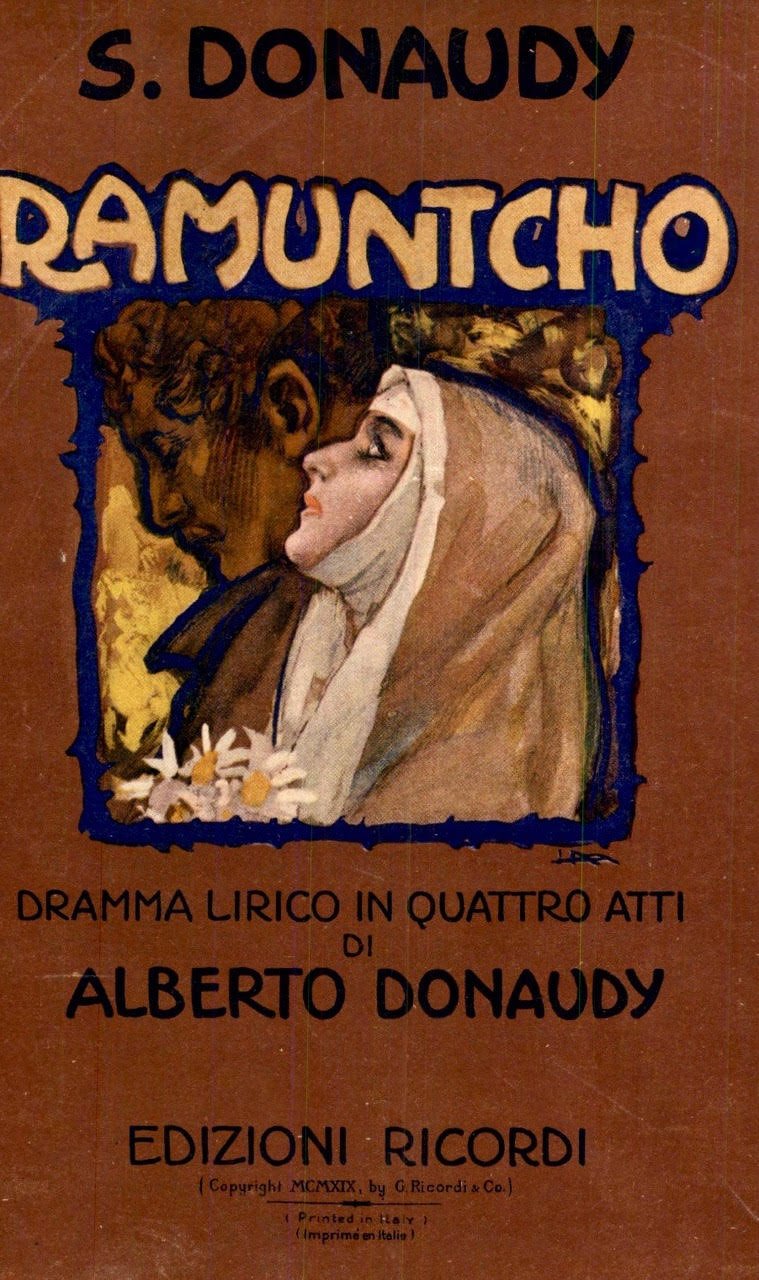
Cover of the libretto of Ramuntcho, adapted from Pierre Loti's novel.

These arie are deceptively simplicity and direct. The melodies are indivisibly linked to the lyrics. Glenn Morton described them "some of the most beautiful of the Italian romanzas...an important part of the repertoire like those of Francesco Paolo Tosti, whose nearly 400 songs were in the style of Bellini where the elements of bel canto of primary importance. The writing is simple, but mastering a perfect legato, fluid diction, dynamic control and the arc of the phrase are at the heart of all Italian song."

Although Stefano Donaudy wrote a number of operas -- Folchetto (Palermo, 1892); La scampagnata (Palermo, 1898); Teodoro Koerner, Sperduti in buio (Palermo,1907) and Ramuncho which premiered March 19, 1921 in Milano. However, his denouement came with the performance of his final opera, the one act La Fiamminga which premiered April 25, 1922 at the Teatro San Carlo in Napoli.

There is a tantalizing lack of information that would explain the general impression that it was "an unmitigated fiasco" -- a disaster so crushing that he completely abandoned composition surely contributing to his death three years later when he was barely forty-six.

One can only surmise that he literally died of a broken heart.

If only he could have known that these modest songs in the antique style would live on in virtually constant performance, loved by performers and audiences all over the world for more than a hundred years.

As a PS; here is famous tenor Carlo Bergonzi's take on the aria:

As a beloved concert piece, it is a guaranteed audience favorite, sung by young singers in training as well as in recital. These songs, along with those of Francesco Paolo Tosti, form a stable repertoire for singers ontheir way up and the way down. Although contemporaneous with Verismo, these songs harken back to genteel times of chivalry and tenderness. They speak softly of love. Their lustrous tessitura enhancing the voices of all who present them as beloved favorites to audiences everywhere.

The disappearance of his operas is mysterious....Perhaps some musicologist can explore the annals of his publisher, Ricordi, to find some of these and other unheard works -- perhaps finally giving him the acclaim he deserves.

- Marshall Berland

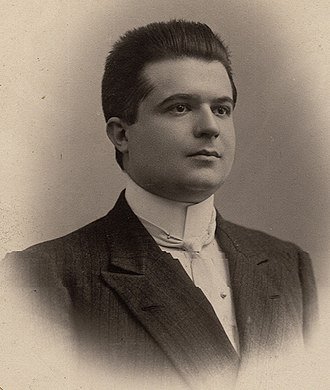
Stefano Donaudy

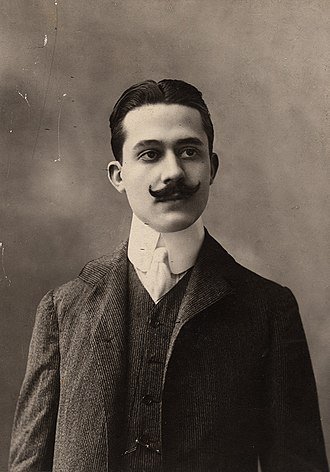
Alberto Donaudy