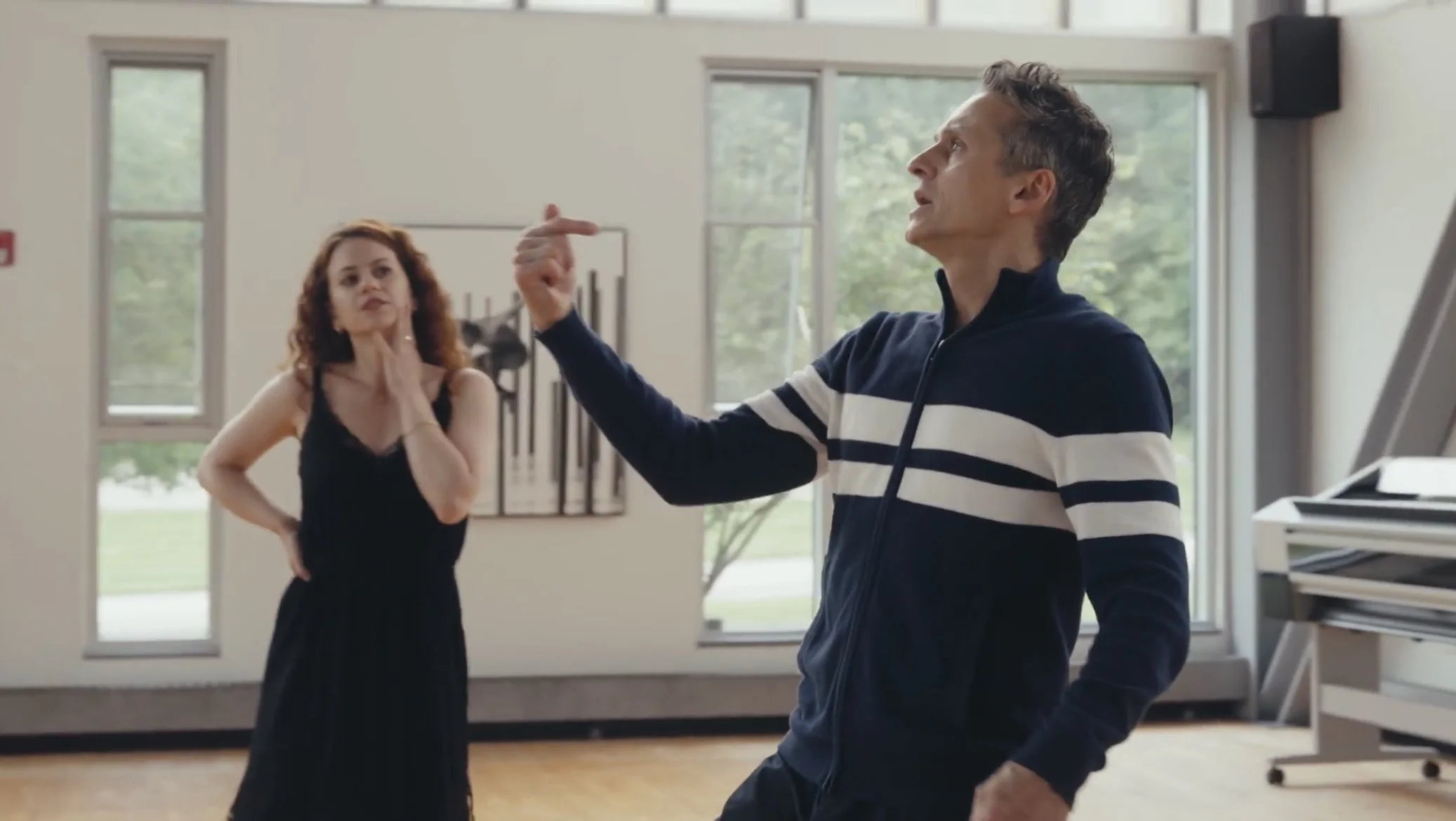
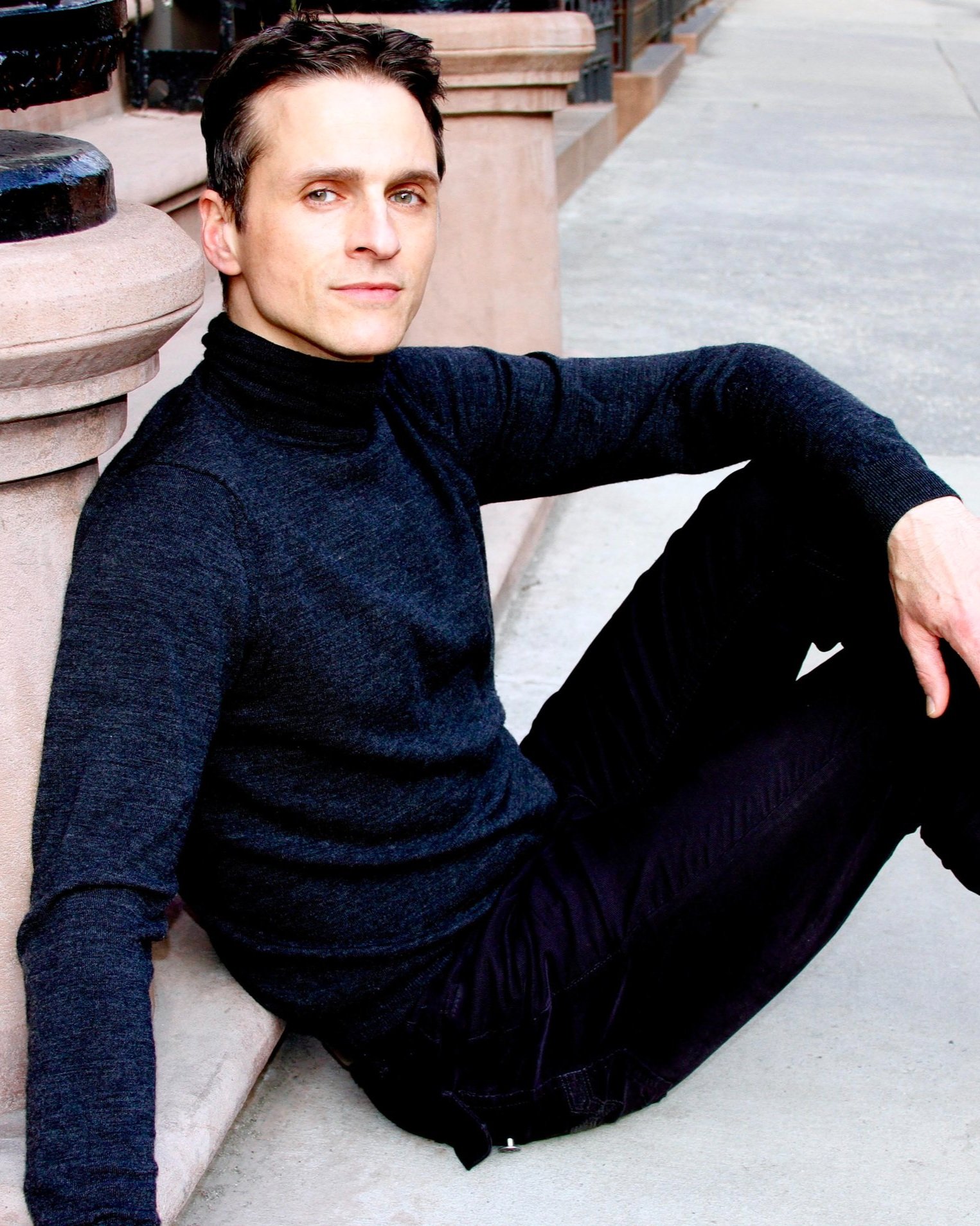
What a joy to bring this masterpiece to life with our CLAVA artists and the extended family of CLA alumni. Having presented the intense, broodingly dark one-acter Il Tabarro from Puccini's Il trittico in our 2025 season, it seemed fitting to follow up this year with the trilogy's closing act. A comedy, at last!
The history behind the opera is worth diving into: In the thirtieth Canto of Dante's Inferno, the reader learns of a man named Gianni Schicchi who inhabits the Eighth Circle of hell dedicated to fraudsters. His sin? Having impersonated others for fraudulent purposes. The punishment is dire: having lost his own identity, he has fallen into madness and runs about like a mad dog. In fact, Gianni Schicchi is not a fictional character, but a notorious Florentine con man whom Dante would have been aware of and who passed away just a few years before Dante set down to write his Divine Comedy, of which Inferno is just a part. According to legend, the real Schicchi had kept the death of his own uncle, Buoso Donati, hidden and impersonated the ailing old man to forge his will in favor of Buoso's disenfranchised son – not without bequeathing himself Buoso's most prized possession: a mule, something akin to a high-end Bugatti in our time.
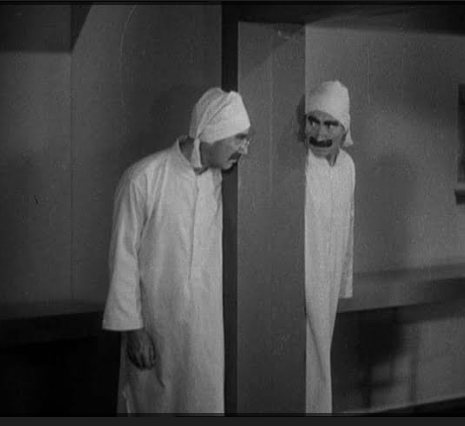
Some six hundred years later, Puccini took the liberty to pick up Dante's short reference to the notorious (and never convicted) fraudster and bring it into the realm of both verismo and divine comedy, giving it the considerable twist that we are the great benefactors of. Poetic license squared! In his opera of the same title (set to become the final one-acter of his Il Trittico cycle), the antihero Schicchi becomes a hero by outsmarting Buoso's family members who, enraged by Buoso's original will that bequeathes his entire wealth to the church, blindly trust his agreement to impersonate the deceased patriarch a mere hour after his passing and forge his testament, expecting him to reward them the inheritance they feel entitled to. In Puccini's version of the legend, Schicchi ruthlessly claims the moral high ground by exposing the family's greed and making himself the sole inheritor, mule included. In this telling, Schicchi's motive is not entirely self-serving: the forgery guarantees a safe future for his daughter Lauretta and her beloved, the old patriarch’s impoverished nephew Rinuccio. Puccini also grants the young couple the two arias that give the farce its emotional gravitas: Lauretta’s “O Mio Babbino Caro,” one of Puccini’s most cherished arias of all time, in which she pleads with her father to bless her love for Rinuccio; and Rinuccio’s own aria, a passionate ode to the beauty of Florence and a fiery call to break with snobbish, insulating class distinctions.
Gianni Schicchi is filled with overdrawn characters who walk in the footsteps of commedia dell'arte and predate the melodramatic Italian movies of the 20th Century. Puccini wraps up his delicious, lyrical romp with a graceful final nod to Dante and his Divina Commedia, breaking the fourth wall and making a case for Gianni Schicchi's crimes to be granted "extenuating circumstances" for having provided an entertaining evening.
We hope you will grant them to us as well as we embark on our first divine comedy together.