“CLAVA gave me more than training. It gave me a clearer sense of how I want to work and what kind of artist I want to become.”
When I think about my time with Classic Lyric Arts, I don’t think of it as one single experience. I think of it more as a series of doors opening at the right moments.
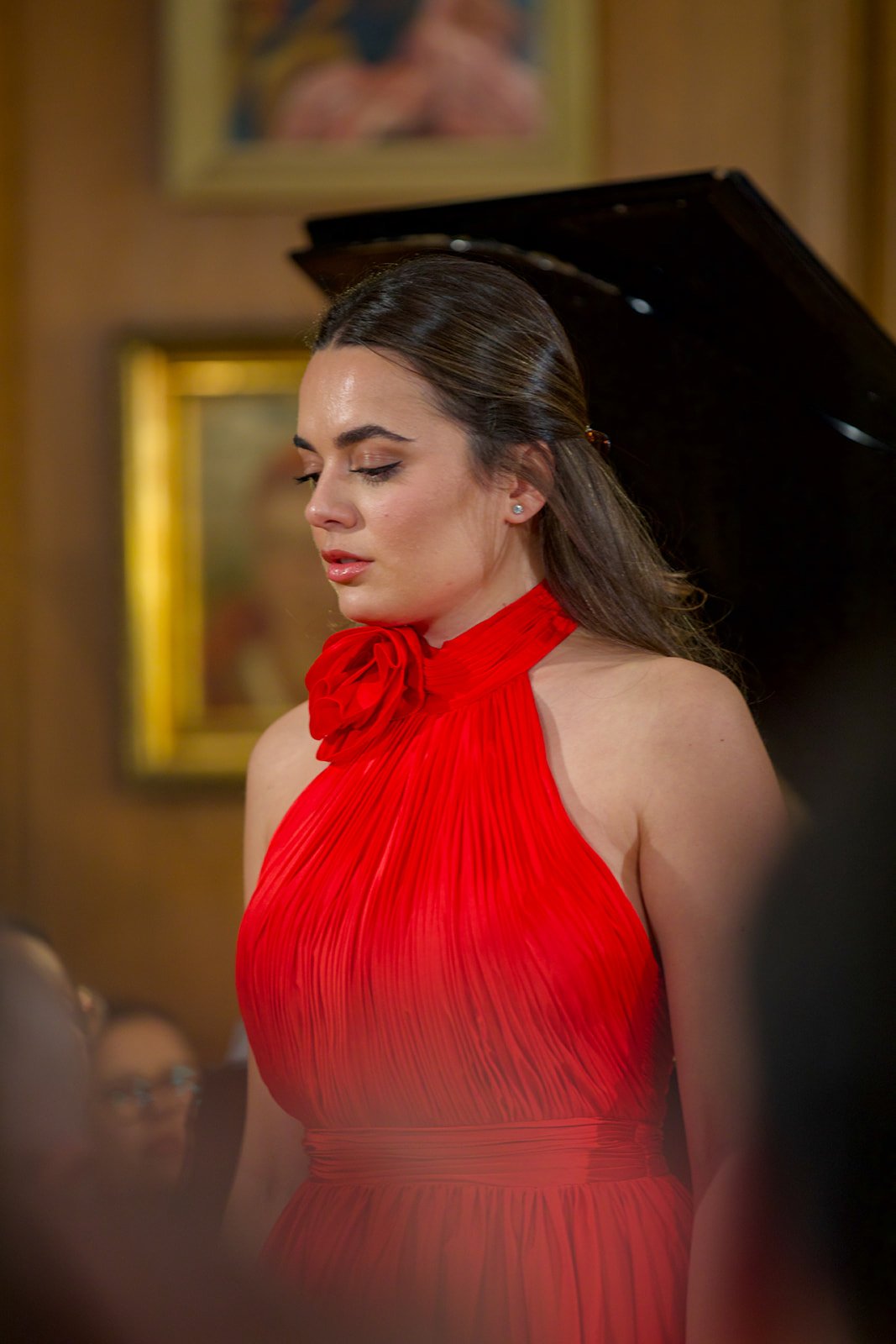
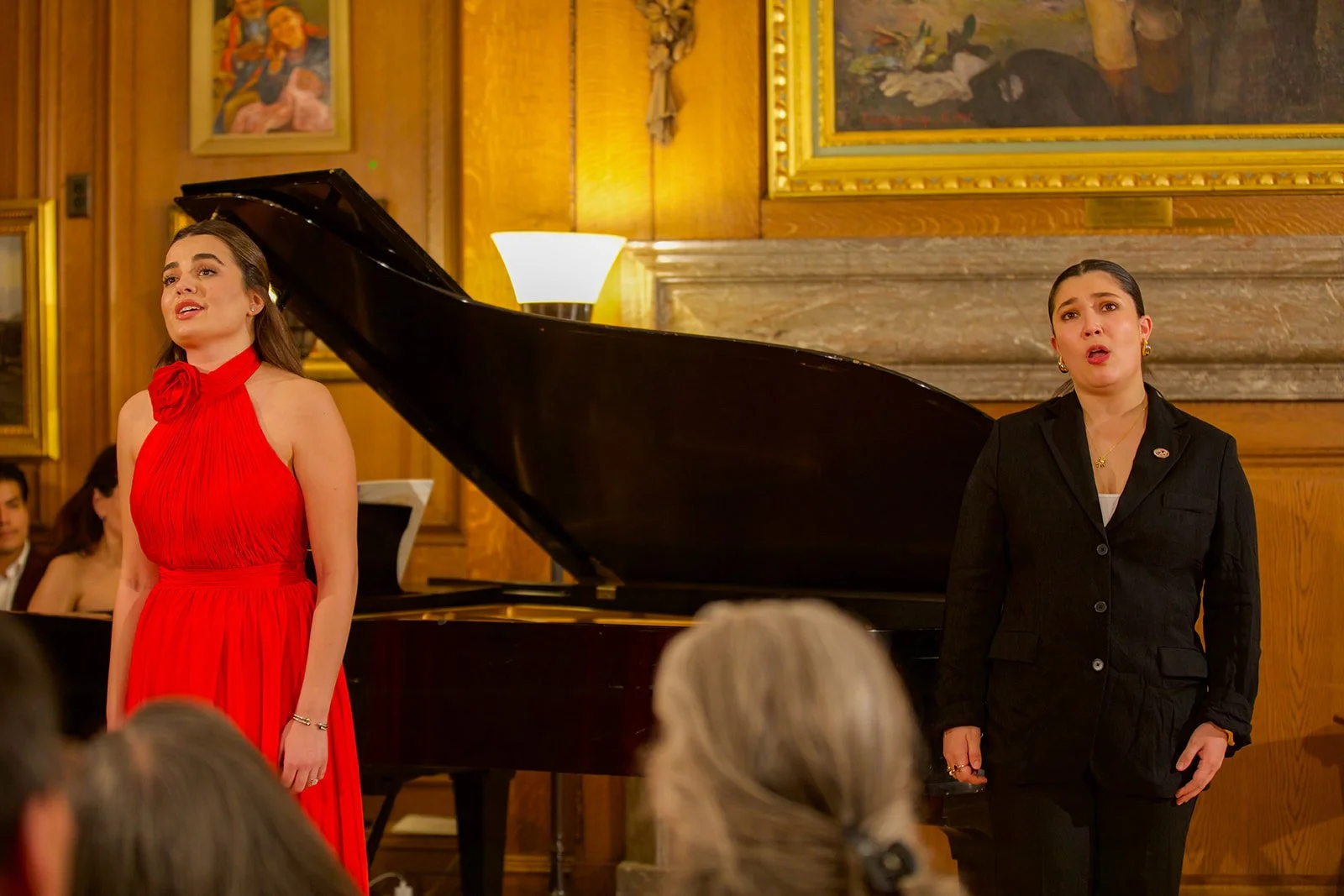
Estelina Syla performing at the annual CLA Gala in 2025
When I think about my time with Classic Lyric Arts, I don’t think of it as one single experience. I think of it more as a series of doors opening at the right moments.
The first door opened in the Berkshires in the summer of 2024 at CLA Mozart. At that point, I was still learning how much detail this art form demands of us: how a consonant can change the shape of a phrase, how a breath can reveal intention, how much of the character must exist before the first note is ever sung. CLA Mozart gave me a place to work seriously without feeling like I had to prove everything all at once. I could be curious. I could make mistakes. I could be challenged and still feel held by the people around me.
In 2025, CLA Italy opened a very different door. Being surrounded by the language and culture of the repertoire changed the way I listened. Italian was no longer something that lived only on the page or in a coaching room. It was in the rhythm of daily conversation, in the pace of the town, in the way people communicated with ease, urgency, humor, and warmth. That experience made diction feel less like a technical requirement and more like a living part of the music. I came back from Italy hearing the repertoire differently.
After that summer, being invited to join CLAVA felt less like starting something new and more like being given the time to continue. That was what made the year so valuable. Summer programs can be intense and inspiring, but CLAVA offered something different: consistency. Week after week, the work had somewhere to go. Ideas from one coaching session could settle, be questioned, and then return in a new form. I began to understand that real artistic change does not always happen in one dramatic breakthrough. Sometimes it happens quietly, through repetition, patience, and the willingness to keep showing up.
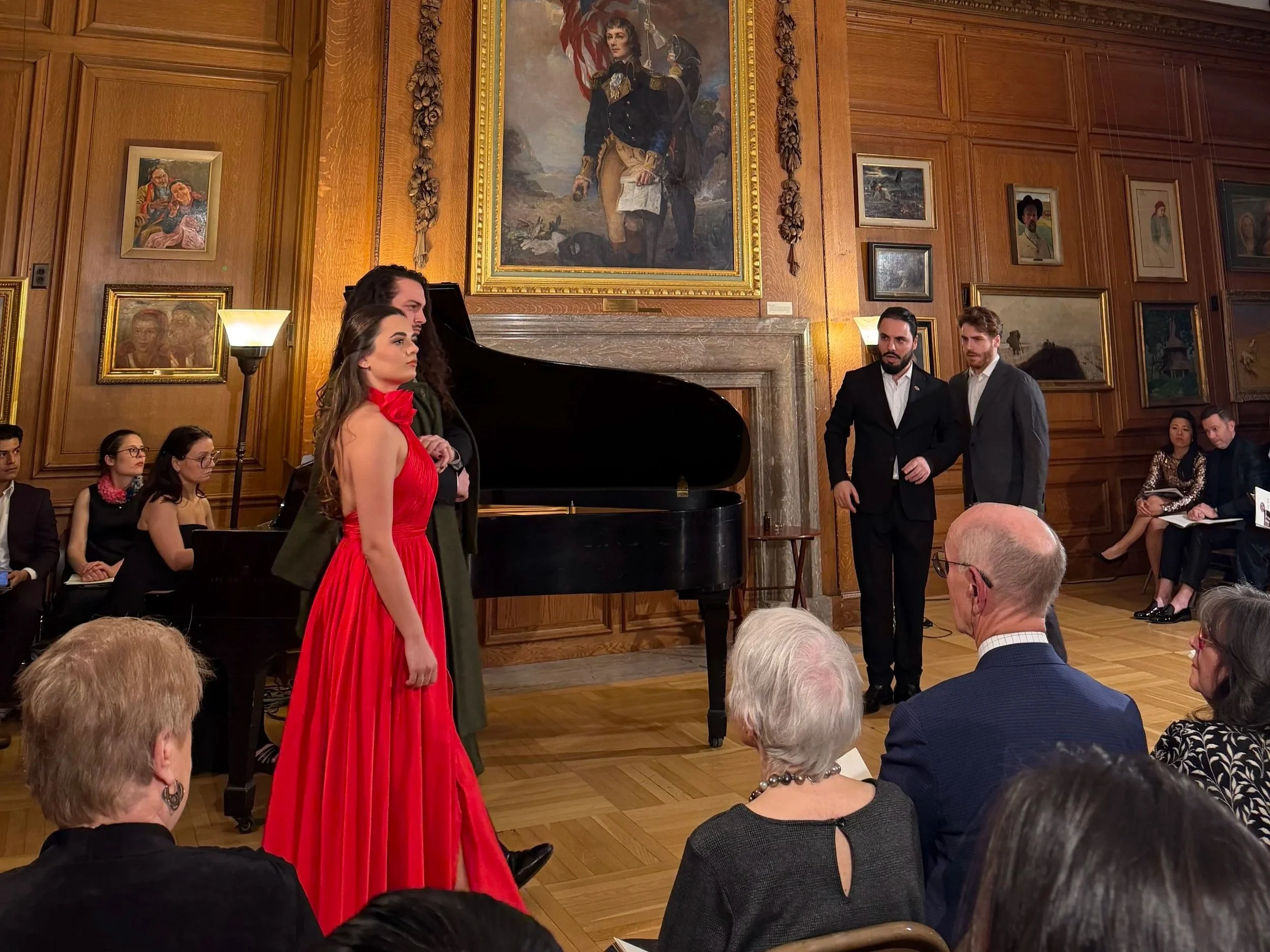
Estelina and CLAVA Artists performing at the annual CLA Gala in 2025
The mentorship I received throughout the 2025-2026 season with the CLA Vocal Academy shaped me in ways I am still discovering. Daniel Isengart helped me think more honestly about what I was doing on stage. He pushed me to look beyond “performing” a character and instead ask what the character needs, hides, risks, and reveals. John Viscardi helped me connect the artistic work to the reality of building a professional life in opera, offering guidance that was practical, direct, and deeply generous. Glenn Morton’s work with me was especially important. He helped me approach my voice with more trust and less fear, and through that process, I began to feel a freedom I had been searching for for a long time. His guidance did not simply fix technical issues; it changed the way I relate to my instrument.
CLAVA also gave me opportunities to be seen in a professional context, including auditions for leading artist management companies, open house masterclasses, and concerts. These experiences were valuable not only because of the exposure, but also because they made me more aware of the complete picture I present as an artist: the sound, the language, the dramatic intention, the preparation, and the energy I bring into the room. That kind of feedback is not always easy to receive, but it is necessary. It helped me become more specific about who I am and what I still need to strengthen.
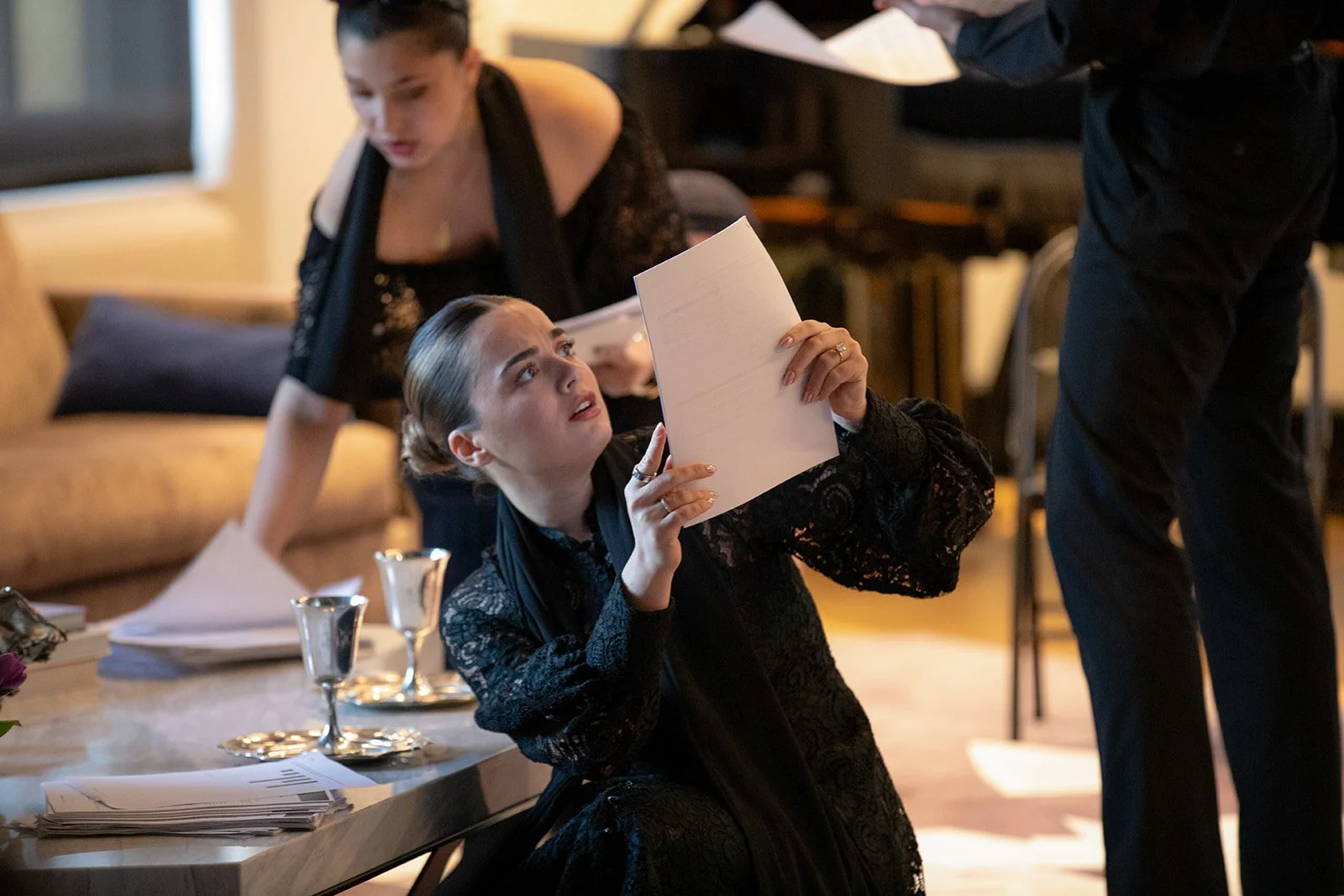
Estelina as Nella in Gianni Schichi, 2026
The 2025-2026 season ended with Puccini’s Gianni Schicchi, where I had the privilege of singing the role of Nella. What stayed with me most was not just the performance itself, but the feeling of arriving to opening night with my colleagues from CLAVA who had been part of the same process for months. By then, we had heard each other grow, refine, question, and become more confident in the work. Sharing the stage after that kind of year felt different. There was trust in the room, and that trust allowed the music to feel alive.
Looking back, CLAVA gave me more than training. It gave me a clearer sense of how I want to work and what kind of artist I want to become. It taught me the value of continuity: returning to the work again and again until something begins to change from the inside.
That is the lesson I carry with me now. Artistic growth is not only found in the biggest moments. It is built in the small ones: the coaching that shifts your perspective, the rehearsal that asks for more honesty, the conversation that stays with you, the performance where you realize you are no longer the same artist you were when you began.